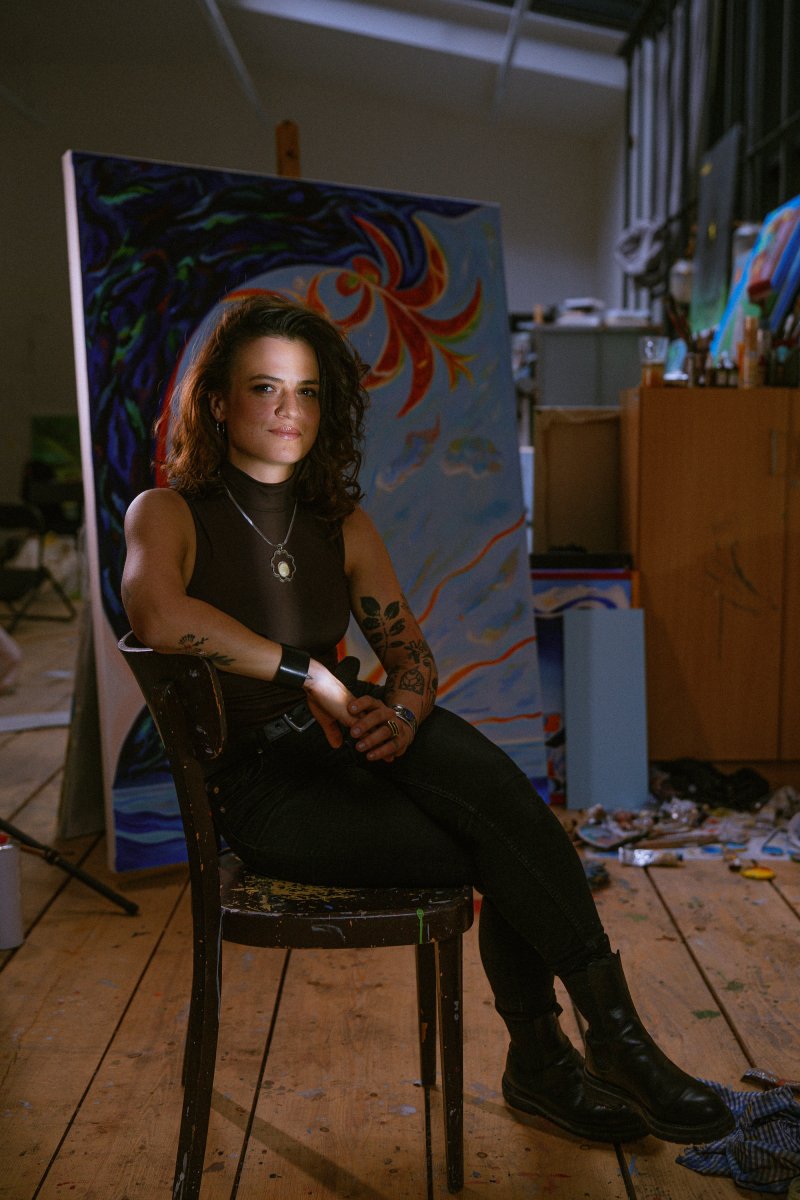
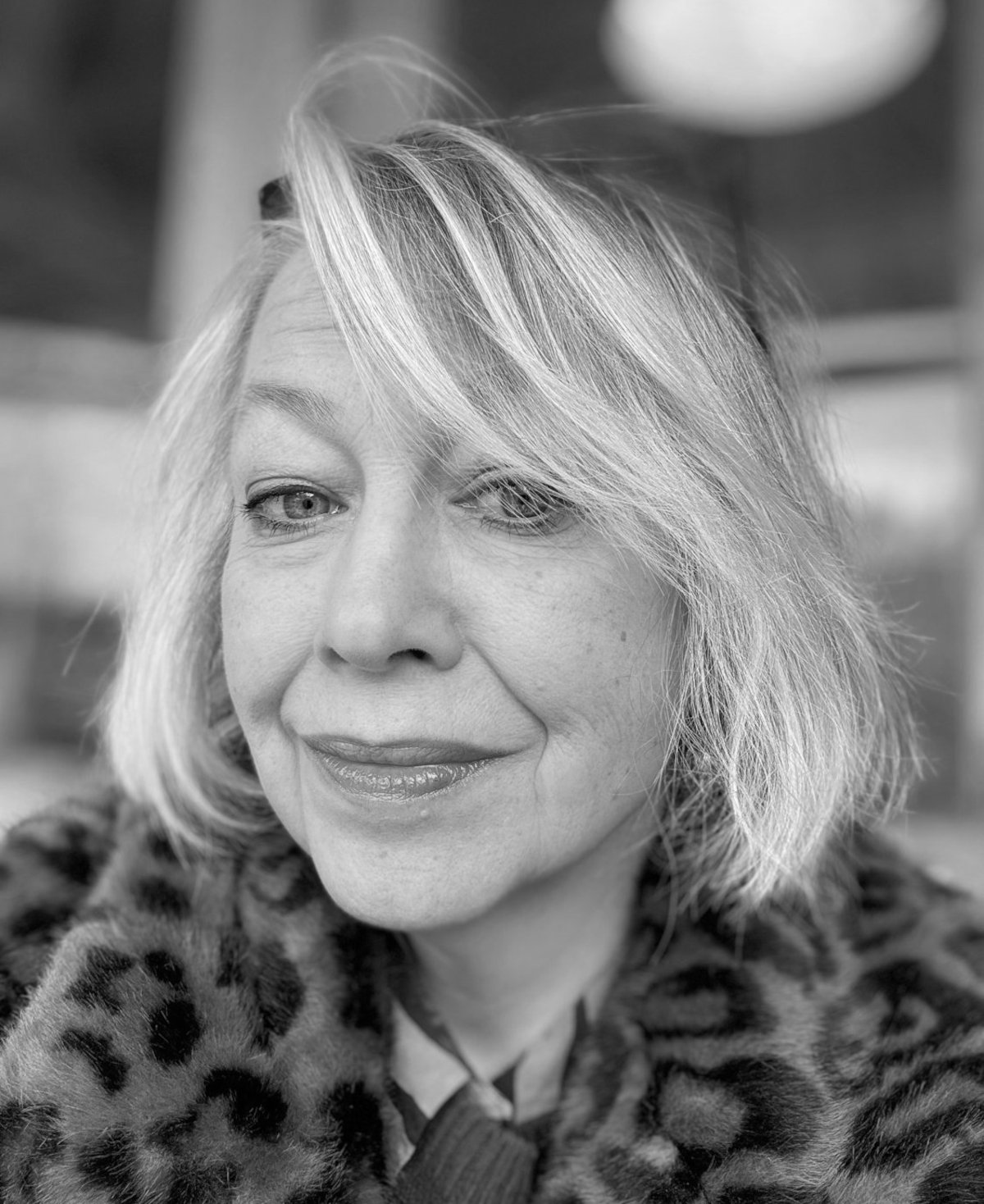
Entrevista com uma artista consagrada sobre o caminho da posição de destaque em Praga até uma propriedade rural na Vysočina, sobre o cuidado com a paisagem, a ecologia e a criação dos filhos na periferia. Sobre formulários de edital, rankings e um sistema tributário que não ajuda os artistas. Um depoimento aberto e sincero sobre o dinheiro que falta na arte, sobre os filhos que mantêm você à tona e sobre o marido que agora luta pela vida. Embora no dia a dia nos tratemos de forma informal, para esta entrevista adotamos um tom mais formal.
Veronika, você foi uma das figuras mais marcantes da cena artística tcheca dos anos 1990 – Bienal de Veneza, duas vezes finalista do Prêmio Jindřich Chalupecký, chefe de ateliê na AVU, obras nos acervos do Pompidou e do Moderna Museet. Praguense de nascimento. O que levou você a deixar tudo isso e ir para uma propriedade rural na Vysočina?
Veio um período complicado por volta de 2006, quando meus pais adoeceram; tive que abrir mão e esvaziar o apartamento deles, tomado pela doença, e o ateliê que minha irmã havia deixado, tudo numa casa linda em Vinohrady, onde passei a maior parte dos anos 1990 com o Doug, canadense, meu companheiro na época, com quem eu tinha um negócio, uma escola de idiomas e um pequeno estúdio gráfico; foi ele quem me levou ao trabalho com computadores, e minhas coisas dos anos 1990 talvez não existissem sem ele, mas por volta de 2000 nos separamos... No apartamento do primeiro andar da rua Chodská 13 eu dei muitas festas com amigos do mundo da arte e, como naquela época eu não vendia quase nada, só de uns anos em uns anos, e o salário de chefe de ateliê na AVU não me sustentava, no fundo eu não tinha como pagar o aluguel, que começou a subir... Depois liberei o apartamento para os meus pais, que foram despejados do ateliê em Žižkov. Passei então a usar o apartamentinho que ficou da minha avó, para onde eu tinha me mudado aos dezoito anos, depois de uma briga feia com meu pai, que vivia tentando me controlar de algum jeito. Nesse meio-tempo eu às vezes emprestava esse apartamento de graça para estudantes em apuros, por exemplo, mas no fim tive que abrir mão dele também. Foi ali que morei no tempo em que dava aula na AVU; foi o período em que comecei a viver com o pintor Martin Mainer e as filhas dele, a 30 km de Praga, em Limuzy. Toda aquela situação econômica, a privatização dos prédios, a chegada de investidores do Ocidente, principalmente da Itália, que eu ia observando em Vinohrady, começou a transformar o cenário anterior, em que dava para viver com pouco. Eu ficava contente de ver as águas paradas do período pós-comunista começarem a se mexer, mas financeiramente eu não aguentei. Fui aos poucos me mudando para a casa do Martin e, depois que nos separamos, voltei por um tempo para o apartamentinho; mais ou menos um ano depois conheci o Ivan, graças a uma casa de campo perto de Polička, que ele me ajudou a reformar, e mais tarde, quando já morávamos juntos, também com o esvaziamento do apartamento dos meus pais – uma espécie de cavaleiro que me tirou do sufoco. Nessa lembrança eu sinto gratidão por tudo o que ele fez por mim: me ofereceu um lar, conheci uma comunidade incrível de amigos na região de Polička e pude dividir com ele, por dezoito anos, a propriedade Chaos, que era dele. Sinto alegria pelo que conseguimos fazer juntos – adotamos e criamos duas crianças, mantivemos um belo espaço natural, organizamos exposições e eventos culturais, oficinas e shows. O Ivan infelizmente está agora internado numa unidade de cuidados intensivos prolongados, com lesão cerebral, meio paralisado, com distúrbio de fala, e eu não sei o que vai ser.
Sinto muito. Desejo que o Ivan se recupere. Eu tive a chance de conhecer o Planeta Chaos pessoalmente e valorizo muito aquela atmosfera singularmente acolhedora, de abertura e independência, que apoia diretamente a criação, ainda por cima com um acento ecológico e pacifista forte. Como você conseguiu construir isso – e é sustentável, ou é uma luta constante?
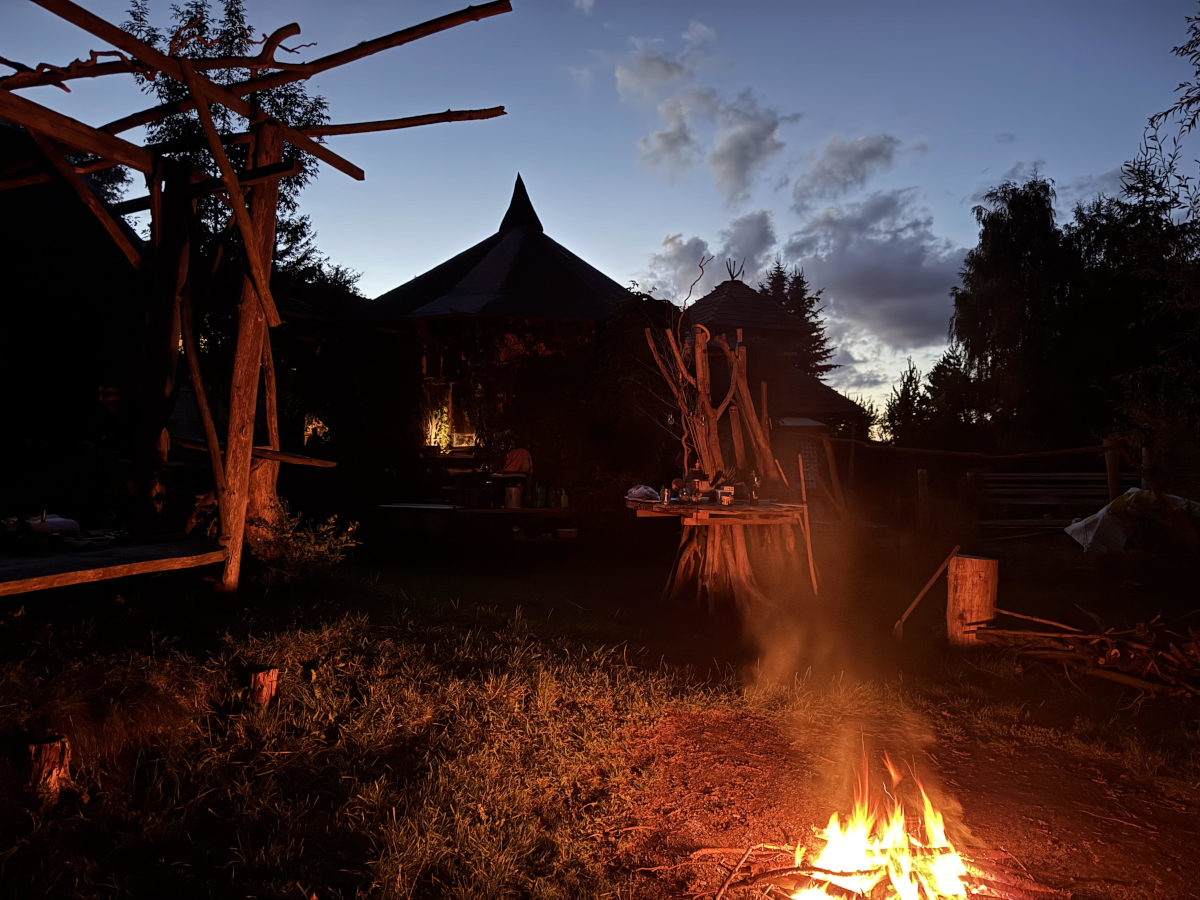
Era a nossa pequena visão rural de paraíso, uma comunidade flutuante e mutável formada por voluntários, família, amigos, artistas, estudantes, xamãs, teóricos, sociólogos, historiadores, malucos, crianças e bichos. Voluntários sobretudo vindos do wwoof.cz – por essa organização chegaram até nós muitos buscadores, que se tornavam e se tornam parte da nossa família e da nossa comunidade e que ajudavam a tocar e a manter o projeto. Pessoas que procuravam a experiência de viver de outro jeito, um pouco fora do sistema, perto da natureza, de plantar o próprio alimento e de viver e construir de forma ecológica – hoje se diz de forma ambientalmente responsável. Sustentável isso foi principalmente graças a eles, a mim e ao meu marido e a todas as pessoas boas que arregaçaram as mangas aqui. Quero tentar sem a burocracia chata dos editais; vamos ver como vai ser e se eu vou dar conta sozinha, porque o Ivan provavelmente vai demorar a se recuperar e eu não sei como vai ficar.
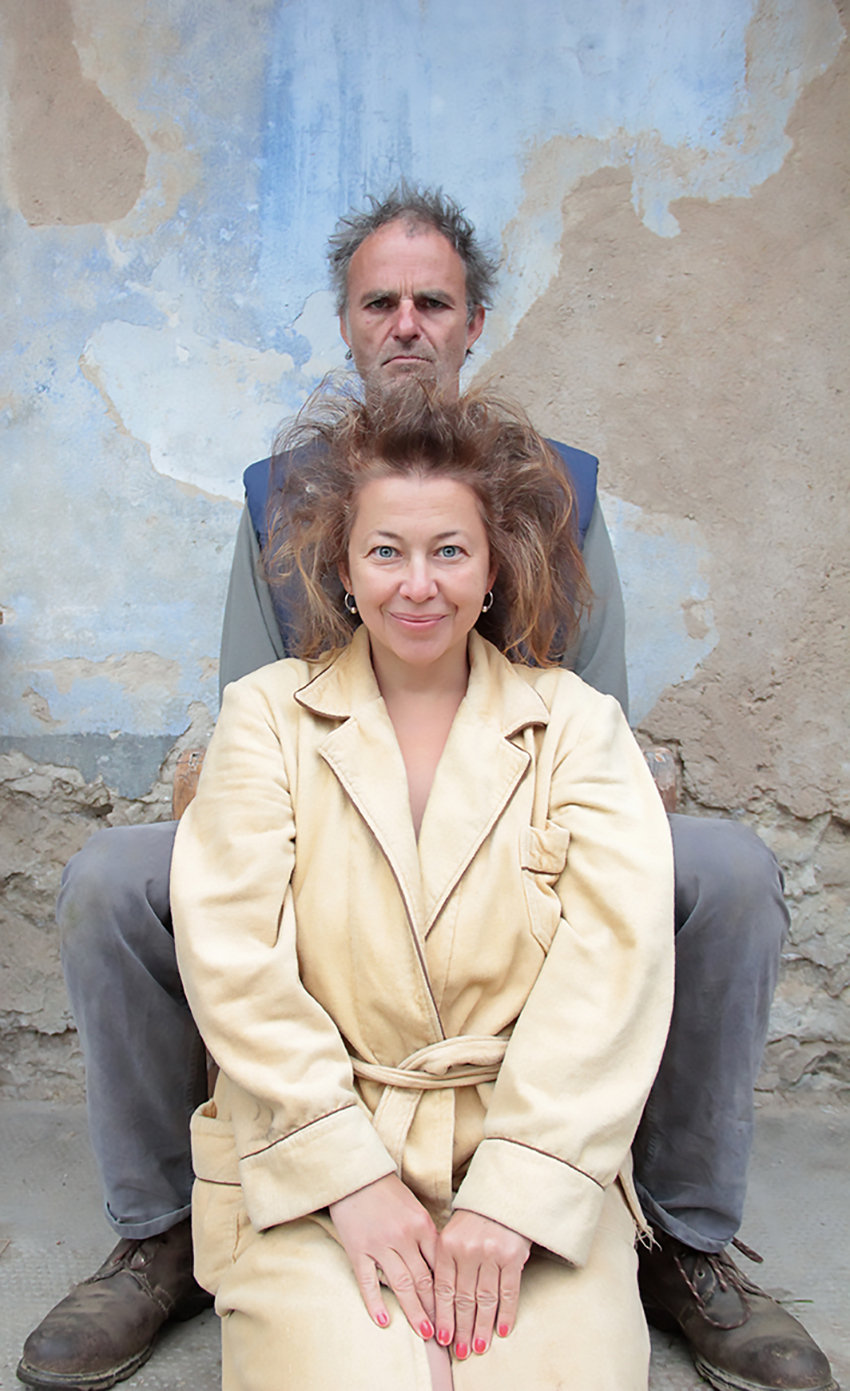
O Planeta Chaos funciona desde 2011 – galeria, residências, oficinas, simpósios, fazenda ecológica. Tudo isso é mantido pela associação Spolek Planeta Chaos com recursos de editais do Ministério da Cultura e da cidade de Polička. Como você vê esse apoio do Estado – e quão pesada é a parte administrativa do fomento?
Com editais da cidade de Polička e do MKČR, o Ministério da Cultura tcheco, mais uma vez dos Fundos Estatais e uma vez da Agosto Foundation, mantivemos sobretudo os programas culturais anuais da Galeria Kabinet Chaos. Eu convidava artistas cujo trabalho ressoava com o nosso projeto e apresentava de algum modo novo o tema da natureza e outros temas próximos. Fazíamos encontros de verão de artistas, historiadores e pessoas inspiradoras tanto para os artistas quanto para o público local. Abríamos temas variados que nos pareciam atuais e inspiradores, por exemplo o tema das comunidades, o da comunicação entre espécies, o das viagens a lugares pouco explorados, rituais com um xamã asteca. Convidava pessoas que trabalhavam terapeuticamente com a alma ou com o corpo, com os dois. Começamos a organizar oficinas criativas para crianças – era divertido pensá-las junto com minha amiga de longa data Štěpánka Nikodýmová, que se formou em pedagogia e artes visuais, se interessava pelo tema da arte com resíduos e tem um jeito ótimo com as crianças. O Ivan originalmente fazia pequenos festivais de punk ali mesmo no Chaos, mas até ele, que gostava da cerveja de Polička, cansou de ter que se livrar dos bêbados que tentavam ficar por lá mesmo depois do fim do evento. Então, com a minha chegada, o Chaos se reorientou na direção da arte. Nos inspiraram o livro Venkovy, do ecossociólogo Bohuslav Blažek, e Václav Havel com suas ideias de sociedade civil. Meu marido era muito ativo em associações locais de todo tipo, principalmente de proteção da natureza, e também em agremiações políticas de oposição, que ofereciam visões mais novas em contraste com o ODS (Partido Democrático Cívico) local, engessado e dominante havia 30 anos. Antes mesmo desta tragédia atual, sobre a qual não sabemos como vai se desdobrar, já queríamos reduzir todas as nossas atividades voluntárias – eu faço sessenta anos este ano, o Ivan faz setenta em breve. Tocamos a galeria desde 2011, ou seja, quinze anos, de forma voluntária. Talvez ainda venham algumas exposições, mas com certeza já não tenho paciência para preencher formulários e fazer prestação de contas. O horror da fiscalização do fisco de Svitavy, que cobriu quatro anos da nossa atividade e terminou “sem irregularidades”, tirou um pouco a minha vontade de lidar com essas coisas no futuro. A associação local Přespolní cuida da programação e do funcionamento do edifício Archa, de Jiří Příhoda, que também é uma galeria, e outros amigos nossos da região estão tentando alguma coisa.
Isso nos leva a uma pergunta mais geral. O funcionamento da arte tcheca, a carreira de artista – existe algum sistema que funcione? Desde 2025 temos o Estatuto do Artista (Status umělce), mas na prática ele mal começou a andar. Os defensores do livre mercado dizem: que os melhores se provem, o resto é hobby. O que você acha disso – os artistas precisam de apoio sistêmico, ou é mais uma questão de tenacidade pessoal?
Algum apoio pode ser útil, por exemplo na situação pela qual estou passando agora. Por enquanto eu nem sei bem para que serve o Estatuto do Artista. Tenho a impressão de que qualquer um pode se inscrever nele. Talvez devesse estar mais definido quem é de fato artista – provavelmente deveria ter alguma coisa feita... alguns resultados. Não sei, mas o que me interessa é alguma possibilidade de tributar de outro jeito os ganhos imprevisíveis. Por exemplo, minha experiência é que compensa mais você se rebaixar de artista a profissional autônomo, porque assim a tributação fica mais suportável... Quando excepcionalmente eu ganho com a venda de uma obra dos anos 1990, por exemplo, que guardei e conservei por trinta anos, minha experiência é ultrapassar o limite de isenção do IVA (imposto sobre valor agregado), devolver cerca de metade ao Estado, ver aparecerem antecipações enormes, e mais estresse na minha cabeça, que não sabe lidar muito bem com dinheiro. E por aí vai. Tudo começa a ficar muito complicado, e os artistas em geral não têm cabeça para isso. Tem gente que também é boa em negócios, mas acho que a maioria quer se dedicar à criação e não lidar com o resto. Se fosse possível tributar os artistas de um jeito mais humano e mais simples, porque fazemos simplesmente algo especial sob todos os aspectos. Comecei a pensar em parar com o apoio de editais depois da experiência da fiscalização, que durou uns nove meses – tínhamos que ficar procurando e complementando documentos o tempo todo; foi um período estressante. Simplesmente tira a alegria e a vontade de dedicar energia a alguma coisa. Escrever o projeto, quando você sabe o que quer ou aonde quer chegar, não me parecia difícil, saía sozinho. Um ano eu já dei conta de tudo sozinha, inclusive do orçamento. Depois me desestabilizou o fato de que tudo tinha que ser eletrônico e, como na prática era sempre parecido, eu tinha o costume de deixar para a última hora. Infelizmente acabei esbarrando no fato de que o sistema do MKČR não funcionava em computadores Apple. Não sou tão gênia assim; no estresse não me ocorreu que eu podia usar outro navegador. Devia haver algum treinamento, mas isso não é muito comigo... O apoio ao programa foi bom e fico contente por termos podido fazer algo cultural para a nossa aldeia e para a região. Infelizmente os vizinhos locais não tinham tanto interesse assim; eu era muito idealista, talvez não tenha escolhido as estratégias adequadas. Às vezes basta uma pessoa poderosa da região falar mal de você e direcionar parte das pessoas contra suas atividades... Aprendi bastante e depois transferi o projeto da antiga escola, uma escola de sala única com o gabinete do professor da aldeia, para o sótão da nossa casa, onde as exposições recebiam muita gente da região e de outras aldeias, de Polička e de cidades maiores por perto, veranistas, artistas. Um dos expositores, graças a uma informação minha, encontrou na vizinha Jimramov uma igreja abandonada, onde hoje mora e onde também começou a organizar eventos culturais, shows, exposições (Jakub Tomáš Orel). Ou a associação Přespolní, da vizinha Lubná, que cuida da ocupação de construções rurais abandonadas. Talvez todos tenhamos dentro de nós o potencial de ser artista; é o dom da criatividade e do seu desenvolvimento, o livrar-se dos medos, um caminho para a liberdade. Mas provavelmente nem todos conseguem fazer isso na forma mais alta – tem a ver com tenacidade e, principalmente, com obsessão e com uma real necessidade interior de se expressar e se comunicar assim, isso com certeza. Hoje sai das escolas uma quantidade enorme de artistas, e muitos deles são ótimos, mas acho que a porcentagem de pessoas que aguentam na arte não é tão grande assim. Mas o mundo é grande e hoje é muito mais fácil estar conectado a ele – ir para outro lugar, procurar sorte, estrutura e oportunidades nos centros de arte, como Londres, Berlim, Nova York, Paris e outros... O mundo se interessa por regiões novas, por muito tempo ignoradas, a África, por exemplo... Estamos mais perto uns dos outros e sabemos uns dos outros e do que acontece graças às redes (essas águas traiçoeiras). Acho que o mundo transborda de criatividade, quando eu vou percorrendo tudo isso e encontro muita ressonância com o que eu mesma sinto agora. A linguagem da arte não para de crescer, se transforma, é viva e absorve tudo em volta. Quando se abrem as comportas da criatividade, muitas vezes travadas por alguém que disse que você não tem talento, você pode no fundo aplicar essa força em qualquer área, não só na arte.
No Chaos vivem e crescem também seus dois filhos adotivos, e dá para ver como floresceram lindamente nesse ambiente. Que papel a arte cumpre na criação deles – e o que eles ensinaram a você sobre criar?
As crianças sempre me fascinaram pela espontaneidade, pela energia enorme, pelas brincadeiras que surgem do nada. São performers naturais, filósofos, cientistas, seres puros e alegres, e essa beleza todos nós vamos perdendo aos poucos – somos massacrados por tudo quanto é coisa. Uma das minhas primeiras exposições foi Róza extáze (Róza do êxtase), quando eu estava encantada de observar minha sobrinha Róza, as danças e as travessuras dela. Saiu daí um conjunto de fotografias, que foi exposto na galeria Velryba, na rua Opatovická, no centro de Praga (a galeria ainda funciona, mas em geral já não tenho tempo de passar lá). Me inspiraram as ideias de Osho, o livro Sobre as crianças, registros das falas dele sobre esse tema. A ideia de que o ideal para as crianças é deixá-las descobrir o mundo sem a interferência de educadores, e na verdade nem dos pais, quando se dá a elas espaço e tempo – acho que o espaço da nossa propriedade era ideal para isso... Eu pude, quando aguentei, dar a elas esse luxo. Infelizmente depois, como provavelmente em todo lugar, amolecemos sob a pressão da situação na escola, onde afinal todo mundo já tinha celular. A escola até exigia que as crianças tivessem smartphones para as aulas de informática. As crianças querem conversar entre si e jogar, porque aqui na aldeia, por exemplo, não têm colegas da mesma idade. As crianças nos ensinaram muita coisa e ainda continuam nos ensinando, principalmente paciência. Agora talvez eu fique sozinha nisso, então realmente não sei como vai acabar, mas no fundo são elas que me mantêm à tona justamente agora. São positivas e talentosas, tocam violino e piano, têm boas notas e eu sou feliz por tê-las. Todos nós continuamos aprendendo na escola da vida. Acho que o papel dos pais e dos professores é um pouco superestimado – para mim os colegas de turma sempre foram importantes.
Você diz abertamente que não sabe lidar muito bem com dinheiro. Me ocorre – seus filhos são criativos, talentosos – você pensa em fazer com que eles adquiram em algum lugar as habilidades econômicas que você mesma não pode passar a eles?
Meu filho Hugo joga jogos em que aprende a negociar, a trocar, e acho que ele tem isso dentro dele. A Johanka, no primeiro festival para onde a levamos – acontecia numa piscina vazia, antes do começo da temporada – estava com uma pulseirinha que eu tinha dado e espontaneamente começou a conversar com as pessoas e a trocar a pulseira por outras coisas, que ela experimentava e depois devolvia. Ela tinha uns dois anos, foi muito fofo e vimos que ela não vai se perder no mundo. Eu sei cobrar pelo meu trabalho. Algumas coisas eu seguro e guardo por xis anos antes de me despedir delas... Minha coleção de desenhos, por exemplo, é de algum modo mais íntima para mim do que a fotografia, e não tenho vontade de vender. Comecei a vender um pouco mais alguns anos atrás, na covid. Penso que os colecionadores devem dizer, tipo: “Ela aguentou muito tempo, está envelhecendo.” Deixei alguma marca, então talvez agora aquilo faça sentido para eles... Não sei como funciona; dizem que começaram a colecionar os anos 1990, porque já tinham os anos 1980 de sobra. Antes, de uns anos em uns anos, eu vendia algo para instituições; colecionadores menores compram de mim mais em caráter excepcional. Dos grandes deve haver só alguns na Tchéquia, mas no fundo eu não sei muito sobre isso. Com leilões eu não tenho experiência muito boa, mas às vezes, em apuros, coloco alguma coisa lá, ou quando quero apoiar alguma causa.
Meu maior negócio até agora aconteceu com o apoio de várias partes, para o acervo da GASK. Era uma peça icônica, que representou a Tchéquia na Bienal de Veneza em 1999. A NG, a Galeria Nacional, tem há uns trinta anos uma única obra minha, que acho que foi doada a eles pelo colecionador Jelínek, que comprava de artistas jovens em meados dos anos 1990... Quem tem mais é a GHMP, mas muitas vezes foi uma troca em apoio a uma exposição ou à produção de um catálogo. O MuMoK, por exemplo, tem uma foto grande minha do ciclo Pohledy (Vistas). Estava numa exposição deles e eu nem sabia que ela estava lá. Encontrei uma pessoa na rua que me deu os parabéns por eu estar numa exposição em Viena e no acervo, mas quem doou aquilo foram colecionadores particulares que estavam se divorciando e para quem, muito tempo atrás, meu galerista vienense da época tinha vendido a obra...
Durante os anos 1990 tínhamos uma Ltda. Isso eu já contei... Depois comecei a dar aula e de algum modo gostei de aprender a ensinar, até hoje, ainda que financeiramente seja mesmo sobretudo um hobby. Vivi momentos em que peguei dinheiro emprestado com amigos, mas sempre acabei dando um jeito.
Exponho de forma bastante ativa, gosto disso e me motiva. Peço cachê desde que tenho filhos. Na maioria das vezes ele é simbólico, às vezes não existe, o que eu não entendo – até eu, com a nossa Galeria Kabinet Chaos, da associação, numa aldeia, tentava tirar dos editais dinheiro para dar aos artistas, então não entendo por que isso não dá certo em outros lugares. No ranking do J&T banka (um índice anual do mercado de arte tcheco), sobre o qual tenho algumas ressalvas – não sei se dá para tomá-lo como objetivo, já que quem o faz é uma galerista privada, uma revista e um banco que colecionava justamente as pessoas do topo. Não sei; dizem que, se alguém não está lá ou não ocupa as posições mais altas, isso não significa falta de qualidade. Mas, queiram ou não, os artistas nos números de cima podem ter mais facilidade com o sucesso comercial, e dizem que não é por venderem mais, e sim pela frequência e pelas instituições em que expõem. Nos últimos anos venho me mantendo mais para cima ali, sendo que exponho com a mesma intensidade desde os anos 1990, mas comecei a vender mais por volta do momento em que subi no ranking da 70ª para cerca da 20ª posição. Percebi que me procuram muito quando uma galeria nova está começando – meu nome está na cabeça das pessoas e é útil para eles, e espero que meu trabalho também. A última vez foi a Gočár Gallery, nos Automatické mlýny – me procuraram para criar uma instalação de grande porte numa superfície de parede enorme, dizendo que iam colecionar essas obras retiradas da parede. Depois descobriram que naquele moinho reformado, caríssimo, não tinham espaço suficiente na reserva técnica – aquilo me pareceu realmente engraçado. Às vezes penso em vender tudo para ter espaço para outra coisa, um laboratório fotográfico, por exemplo. Ou um espaço para terapia da escuridão.
Durante nove anos você dirigiu o Ateliê de Novas Mídias na AVU. Hoje mora numa aldeia e se comunica com o mundo pelo Instagram. Como você vê o papel dos meios on-line para a carreira de um artista – hoje é uma necessidade, ou pode ser também um meio de expressão pleno?
Dá para trabalhar com tudo. Continuo indo uma vez por semana, dou aula na Anglo-American University há dez anos, dirijo meu Cross Media Art Studio, um conjunto de vários cursos em que combino elementos de arteterapia e conduzo os estudantes tanto para a arte quanto para o trabalho sobre si mesmos.
Uma coincidência interessante – outro artista que entrevistamos, Jiří David, largou anos atrás o domínio com o próprio nome, e agora uns russos o oferecem à venda por 1.500 dólares. Seu domínio verosrekbrom.com também não funciona. O que você acha disso – é algo que não é prioridade, ou você resolve sua apresentação de outro jeito?
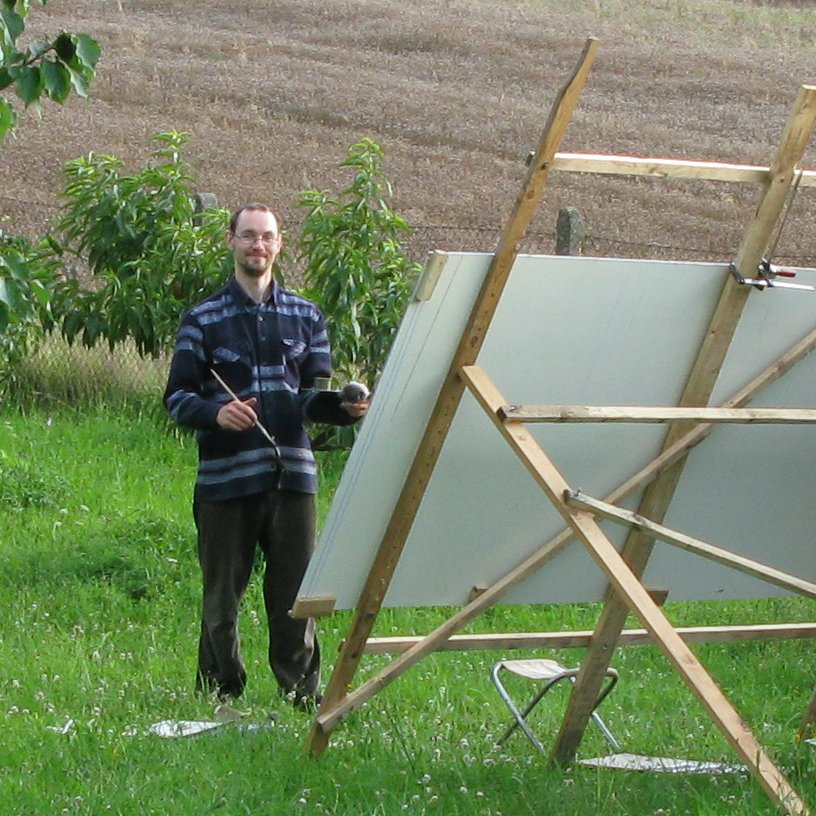
O Instagram é uma ferramenta bastante natural para mim, mas de algum jeito eu não consigo apresentar só arte. É a minha pequena revista artístico-social, na qual eu conto #villagelife #sisterhood #villageculture #Prahaha #Kidsplay e outras coisas. Infelizmente eu não consegui pagar a tempo e apagaram o site. Preciso de alguém que me ajude com isso. Trabalho num livro chamado Autobiograf há dez anos e agora quem me ajuda com o projeto gráfico é minha amiga artista, fotógrafa e designer gráfica Markéta Othová. Eu gostaria de ter o site pronto quando o livro sair, com a mesma identidade gráfica, porque, para ser sincera, não cabe muita coisa no livro e eu gostaria de colocar nele um link por código para o site. Meu trabalho é bastante ramificado – talvez isso também seja algum quadro, quando olho de longe, mas é mais que eu sou um pouco hiperativa e me entedia fazer algo que eu já sei que funciona. Continuo procurando novos meios de expressão e, a partir da fotografia, ou de uma fotografia deslocada de algum modo – com esse meio eu experimentei –, sigo testando o que aparece. Ultimamente tendo mais para os materiais, as cores, os desenhopinturaimpressões, ou seja lá o que for isso, com o envolvimento ou o uso de matrizes naturais... Gosto de trabalhar na ação, no fundo rápido. Com os filhos e a propriedade, tempo eu não tenho muito... Mas essa coisa da ação e da performatividade, um certo partir do momento aqui e agora, me agrada bastante – no fundo é ao mesmo tempo performance... Você sabe como é. Lembrei de como você arrastava telas pela natureza.
Nossa revista é lida, entre outros, por pessoas que estão no começo da trajetória artística. O que você aconselharia a quem se forma nas escolas de arte – ficar na cidade grande ou procurar o próprio caminho, mesmo que ele leve para um lugar completamente diferente?
Seguir o próprio caminho, leve ele para onde levar. Seguir o coração e a intuição – isso não exclui usar o cérebro. Em equilíbrio, você atravessa até uma corda bamba com alegria e um sorriso. Não tenham medo de empurrar os próprios limites, sejam honestos e sinceros no que fazem. Dos olhares para um lado e para o outro vocês provavelmente não vão escapar, mas tentem sempre voltar para si mesmos, para os próprios sentimentos e intuições. Não se deixem desanimar nem intimidar. Estudem – há muitos professores, muitas direções, muitas possibilidades. Cada experiência nova, boa ou ruim, empurra vocês adiante no caminho. E o caminho na arte é infinito... É uma comunicação de uma vida inteira consigo mesmo e com o mundo pelas obras que vocês criarem. É bom terminar alguma coisa; só depois dá para seguir em frente. Leiam, desenvolvam a alma, exercitem o cérebro, prestem atenção no corpo, experimentem na arte, testem o trabalho com materiais e técnicas diferentes. O ofício manual está em plena flor agora – enfim, vocês têm tudo pela frente, isso é lindo!
Agradeço a entrevista e desejo tudo de bom!