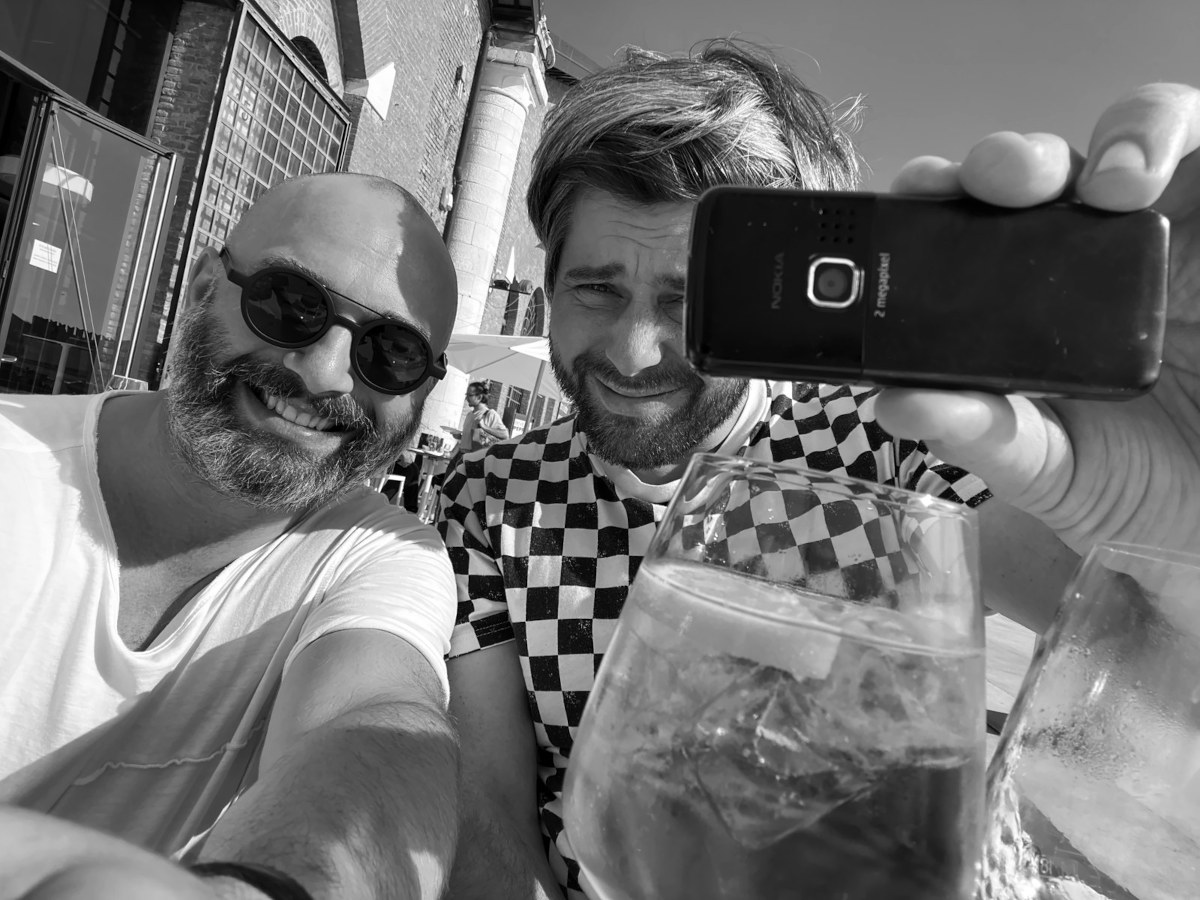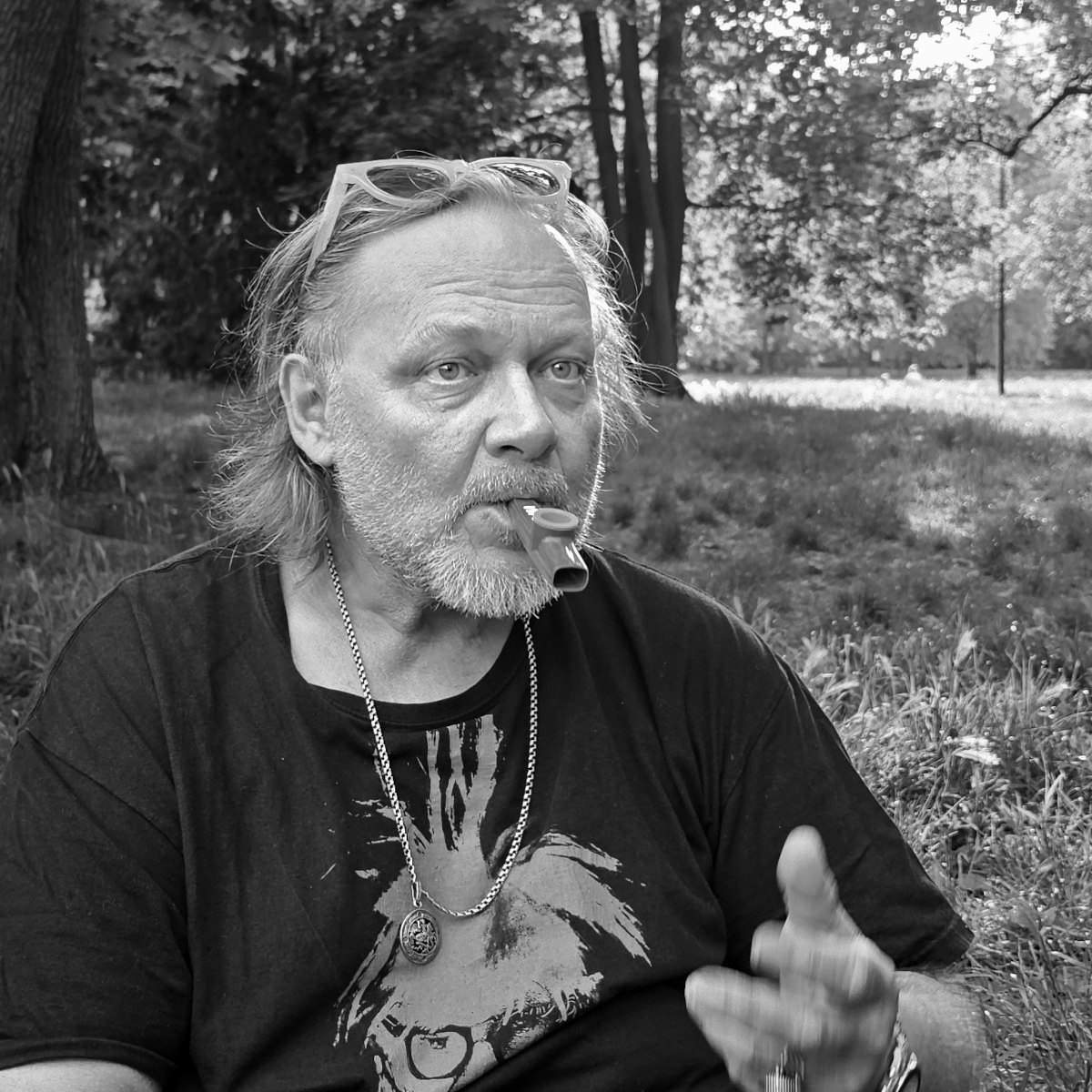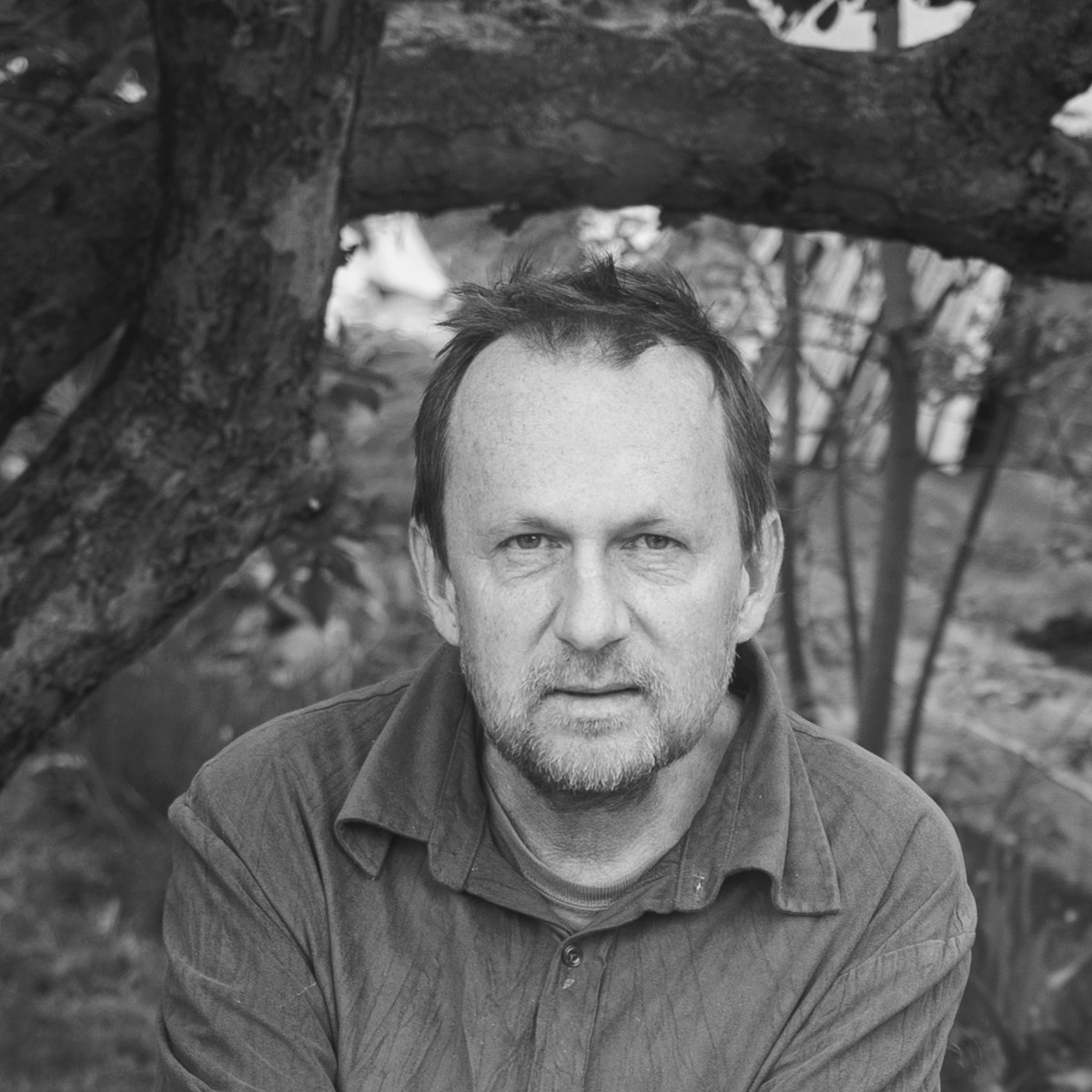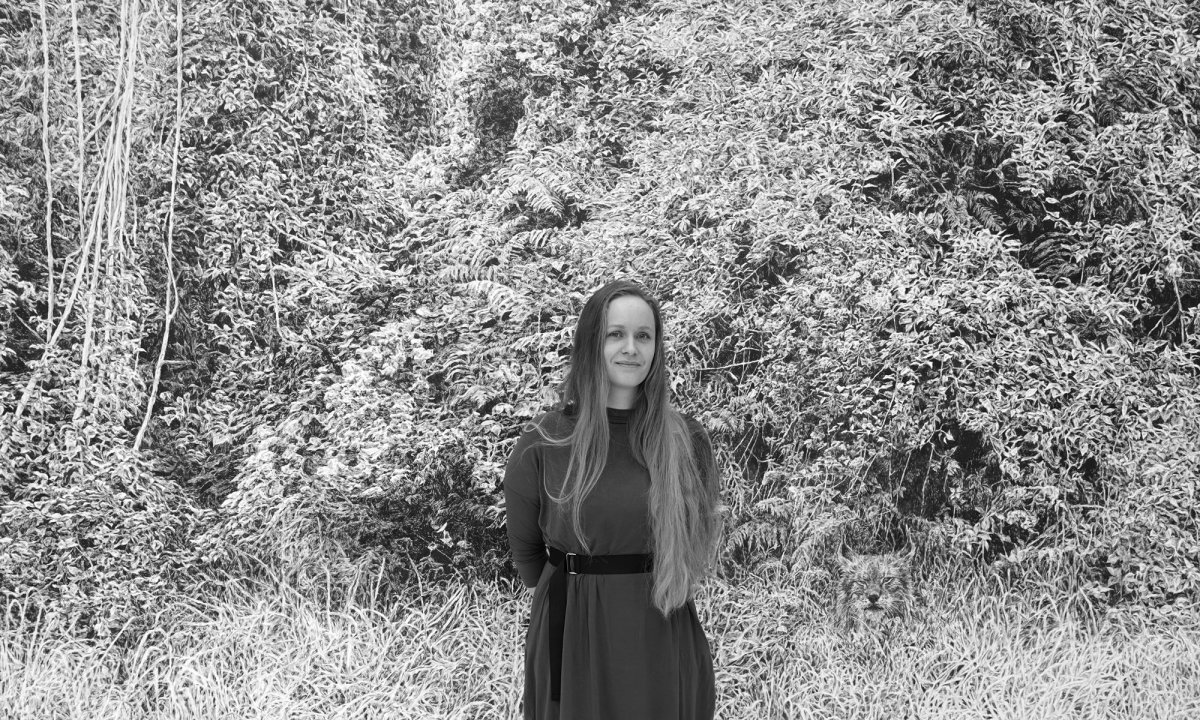
HEX Gallery is a cultural space in Brno, the Czech Republic's second-largest city, that brings together six forms of artistic activity under one roof. We sat down with Jakub Straňák and curator Jiří Riessler Zuzaník to talk about what it takes to build an independent gallery today - and why it is harder than it might seem.
You officially opened HEX Gallery in May 2025. How and why did you come up with the concept of a multidisciplinary cultural space in Brno - and why on Lidická street?
Jakub: By coincidence! A relative of mine was vacating a space after his previous business and offered it to me - so that is why Lidická. Besides, the arts have been close to me since high school, though more on the literary side. Jiří and I also had interesting contacts in publishing, among visual artists and musicians, so it felt natural to bring them all together and offer the artistic community a place where they could really let loose.
Jiří: Plus, Lužánky Park is just around the corner, and we loved the idea of an open-air performance under the trees and the stars. That is still in the planning stage - once the weather warms up, I want to take the audience outside for a concert and then back in for an exhibition, walking under the trees. For me, Lidická is ideal in this respect: unlike the city center, there is plenty of green space and quiet spots around, which adds to the contemplative mood before and after an opening.
You come from Luhačovice, in the Zlín region. There is a noticeable connection to artists from that area in your exhibition program - is that intentional, or simply a natural result of personal contacts?
Jakub: Personal contacts, definitely. But we are gradually building connections with artists based in Brno, or at least those who have some ties to the city. And we want to expand further, beyond the region as well. So to answer the question - the Zlín region is important to us, but the gallery is primarily focused on Brno-based artists.
Jiří: That is something we have been committed to from the very start. For our first exhibition, Private Landscapes of the Soul, we invited Teri Varhol, who is based in Britain but originally from Brno, as well as František Vítek, also from Brno. Brno is a natural hub for artists from Zlín and the surrounding area - many of them have at least studied or were born here, whether it is Zuzana Pernicová, whose exhibition Forgive Me, White Spots of Memory! we are showing through the end of February, or Kryštof Novotný, who had a smaller exhibition, performance, and concert with us called What It Feels Like for a Girl.
Brno has a fairly strong gallery scene - TIC, Industra, Off/Format, the recently opened Sibiř, and others. How do you see your position within that ecosystem?
Jakub: So far, it is rather undefined. We have not even been in Brno for a year yet, and most things - or rather the vast majority - we are learning as we go. It is hard to find the right direction; we do not want to just copy others or merely exist. I think the strong cultural scene in Brno is both an advantage and a disadvantage: there is demand for new spaces and opportunities, but at the same time, it is difficult to carve out our own niche among so many options.
Jiří: I think our edge lies in literature and a certain freedom. We can afford to experiment, and we want to involve our exhibiting artists and performers as much as possible. We are a gallery that is still finding itself - and that invites others to join the search.
HEX operates as a gallery, experimental theater, café, listening room, publishing house, and bookshop all at once. What role does visual art play in that whole - and how do the individual facets of the HEXagon interact?
Jakub: Visual art is central. It is the figurative core of the HEXagon, around which everything revolves. We try to have an exhibition - group or solo - every month or two, and build an accompanying program around it. For instance, in April we are preparing an exhibition of Polish horror film posters with Martin Jiroušek and with the support of the Polish Institute. It will include an expert talk on the subject, a meeting with Polish translators, and a broader introduction to Polish culture.
Jiří: There will also be readings of translations of Edward Stachura, Czesław Miłosz, and Stefan Grabiński - I would like to present at least a short excerpt from Marek Krajewski's Demonomachia. Martin Jiroušek, as the curator of the Polish exhibition, will guide visitors through horror literature and film.
Both: As for theater, film screenings, and running a small private bookshop, we are still figuring those out. We screened work by the excellent Czech documentarian Professor Gogola Jr., which we think the audience really enjoyed. We also collaborate with the Malvern publishing house and try to support each other as much as possible - some of their events will be held at our gallery this year.
How do you choose artists and exhibitions? Your motto says "make every good idea happen and give every artist a chance" - how does that work in practice?
Jakub: If someone comes to us, we always try to find a way to make their idea happen. It does not matter whether they are a visual artist, musician, or poet. There is room for everyone.
Jiří: But we are terrible at answering emails, so if any enthusiastic reader out there is still waiting for a reply - by all means, do remind us.
What has been the most surprising moment in running the gallery so far - something you did not expect at all, positive or negative?
Jakub: Every exhibition is a surprise, because artists always come up with a new creative way to make things more complicated. That is not a criticism - not at all; that is exactly why we are a gallery, to provide the space and realize the vision of the exhibiting artist and curator as best we can. But at practically every show, we run into some exotic, sometimes almost esoteric problem, and no amount of preparation helps.
Jiří: For me, it was working with social media and the constant need for self-promotion. I somewhat naively imagined I would spend more time on research and working with the exhibiting artists, designing complementary programs and other activities - but no, the most important thing is to have photos and videos from every event. It reminds me a bit of Walter Benjamin's nightmare: record every moment, reproduce all art - but miss the pleasure of experiencing it yourself. On the other hand, several fantastic photographers come to our gallery, and I think their documentation alone would deserve its own exhibition, so maybe it is not so terrible after all.
What is the financial strategy behind HEX? Is the gallery subsidized by other activities, does it rely on grants, or does it support itself through the café and venue rental?
Both: Tough question. So far, we have been running on our own resources, and we sort of hoped we could get by on events and the café. But we are slowly coming to realize that we will probably need to subsidize part of our activities. We are under no illusions that finding a grant or subsidy will be easy in these difficult times. As they say in Wallachia - grants do not grow on trees.
I assume that in your situation, you view public support for culture positively. Could you articulate under what conditions it is acceptable to you - bearing in mind that the country's debt grows year after year?
Jakub: So far, we have not received any public funding, although we would like to try. Not so much for ourselves, but rather to better compensate the performers, which we currently cannot quite afford. I find it absurd that culture - which represents this country even in purely political terms - is being cut. This year, if I am not mistaken, the proposed budget is 3.9 billion crowns less than last year. Numbers are being thrown around that mean the survival or demise of festivals with decades-long traditions, art magazines, and publishing houses, and without any deeper debate it is simply decided that cuts will be made. It would not be so bad if we knew why - what the plan is for the coming years - but as things stand, we seem to live in permanent uncertainty, which makes it very hard to prepare even a multi-year program.
Jiří: In a country whose character was shaped in the early 19th century by puppeteers, actors, and later writers, I find it strange, to say the least, that we not only fail to embrace such a strong heritage but are essentially reducing it to bean-counting. I understand that the national debt is growing, but tourism remains - if I am not mistaken - a major driver of our economy, and I believe that supporting the places, artists, and projects that make this country unique should be a priority for every politician. Assuming they have not all given up on it.
What does online visibility mean for the gallery, and how do you approach it?
Jakub: A necessary evil.
Jiří: A necessity. Neither of us has a natural talent for it, but unfortunately you cannot do without it in this field. At the same time, social media - and in recent years practically the entire internet - is a depressing swamp. But we live in that swamp, so what can you do.
Our magazine is read by, among others, students and recent graduates of art schools. What would you say to them as someone running an independent space?
Jakub: The worst question saved for last. Honestly, I do not know. I suppose - persevere. It is a very socially demanding and, unfortunately, materially demanding and thankless endeavor, and you have to be prepared for that.
Jiří: I second that. Unfortunately.
Jakub: But contacts in the field will definitely help. And do not be afraid to approach galleries about your own exhibitions - the barrier to entry is not as high as it might seem.
Thank you for the interview!