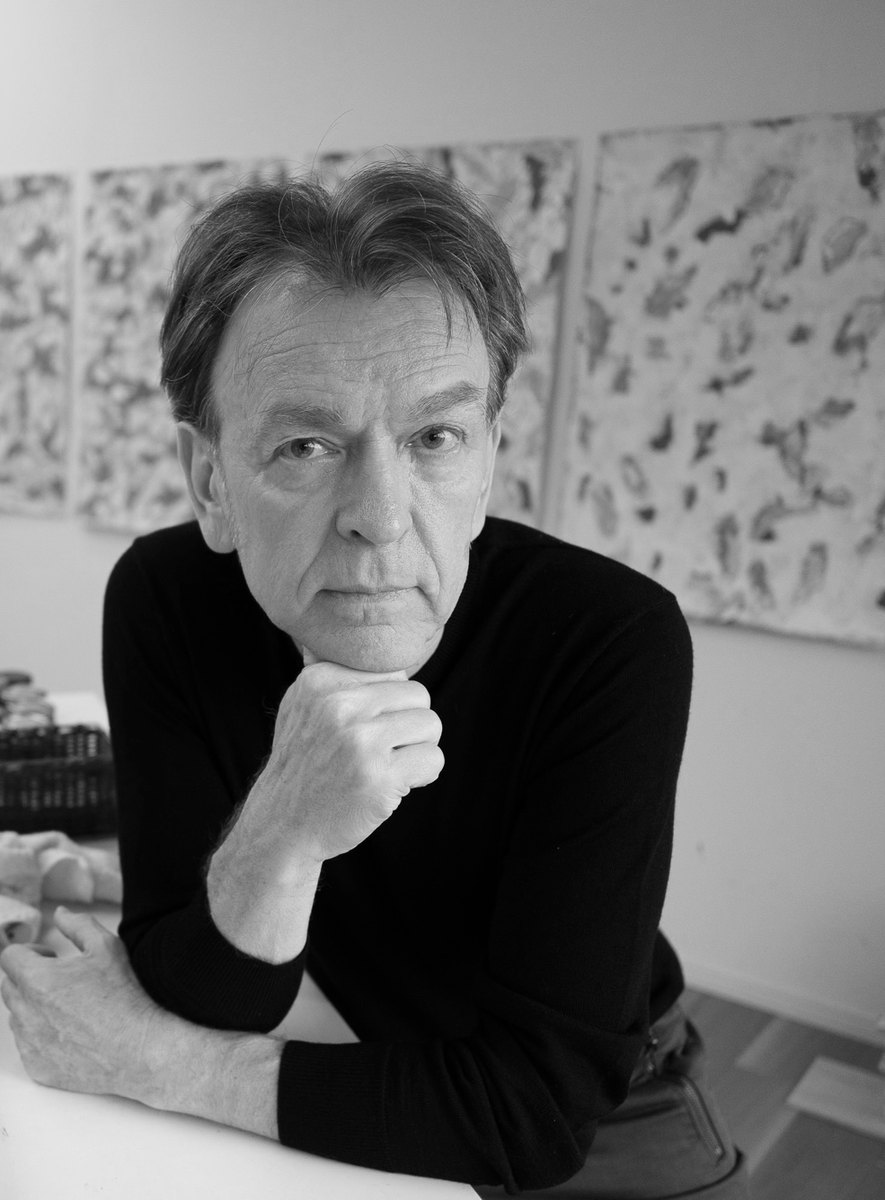
Many art graduates consider living and making art in another country, and for artists from the West, Japan holds a particular pull. Dominique Lutringer, a French painter, made that move more than three decades ago and stayed. He looks back on how the Japanese art market and his own painting have changed over that time, and on what it means to live so long in Japan as a foreigner.
What brought you to Japan in 1991, and when did your stay turn into a home?
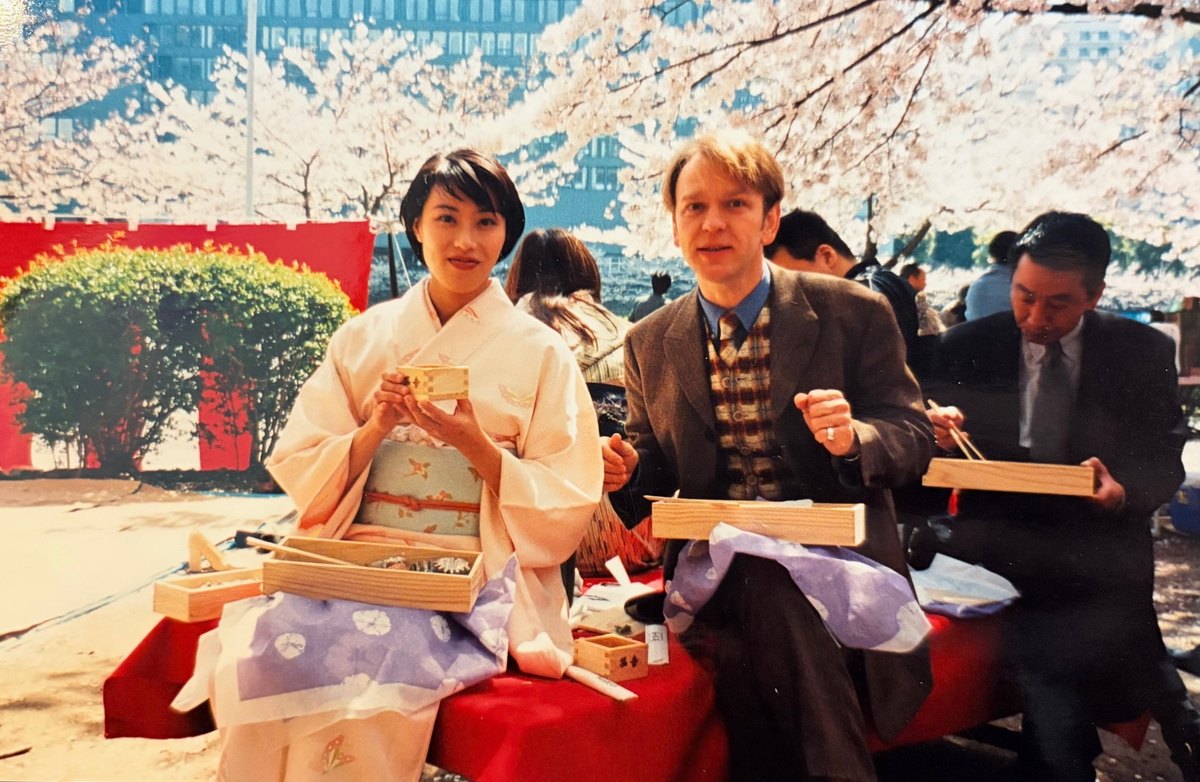
I first discovered Japan at the age of fifteen through Yukio Mishima’s novel The Temple of the Golden Pavilion. I was immediately moved by the book and became curious about Japan and its culture. I first visited Japan when I was twenty, and returned several times over the following years. Eventually, in 1991, I decided to settle here. What began as a curiosity and a fascination gradually became a way of life.
What were your first years on the art scene there like? What role did language play, and who opened the first doors for you?
To support myself, I initially found work teaching French. At the time, French was very much in fashion in Japan, so finding a job was relatively easy. I also briefly worked as a freelance illustrator for an advertising agency, while gradually developing my painting practice.
I don’t think I ever really had difficulties communicating, even though I didn’t speak Japanese. Things happened quite naturally, and I met some wonderful people who welcomed me and opened doors for me.
One of these opportunities came when I designed a promotional brochure for the Alliance Française in Osaka. In return, its director offered me the opportunity to organise an exhibition in the Alliance’s gallery. The exhibition went well, and an art dealer subsequently started working with me. Through his network, I was able to exhibit in several galleries.
Following one of my early exhibitions in Osaka, the Ritz-Carlton commissioned a series of paintings from me. Later, I was fortunate enough to join a fairly important contemporary art gallery, which quickly increased my visibility.
Looking back, things moved forward quite quickly, without my really trying to make them happen. I think it was a combination of encounters, opportunities, and simply following my path.
How does the Japanese gallery system work for an artist who enters it from outside, including the rental galleries where the artist pays for the exhibition? And what was your own long-term collaboration with a gallery like?
Once again, in my own case, everything happened through encounters with people.
For a young artist entering the Japanese art scene, there are several possible routes. One option is to rent a gallery space and organise an exhibition independently. However, without an established network to attract visitors and potential buyers, this can be risky and expensive.
Japan also offers many alternative venues where artists can show their work, including cafés, boutiques, and design shops. Tokyo, in particular, offers a wealth of opportunities. I would recommend exploring these spaces as a first step towards establishing a presence and meeting people within the art scene.
I would also encourage young artists to visit galleries, introduce themselves, and, when appropriate, show their work in person. Sending a portfolio by email alone rarely leads to an opportunity. Personal introductions can make a real difference in Japan, and having someone who can introduce you to a gallery is often a valuable advantage. This reliance on intermediaries can sometimes be frustrating, but building relationships and remaining open to encounters can create opportunities over time.
As for my own experience, working with an established contemporary art gallery significantly increased my visibility. Some galleries require artists to grant them exclusivity, meaning that sales must go through the gallery, which in return actively promotes the artist’s work. In my case, I was never subject to such a formal requirement. Nevertheless, out of courtesy and respect for the relationship, I always discussed other exhibition opportunities with the gallery and sought its agreement beforehand.
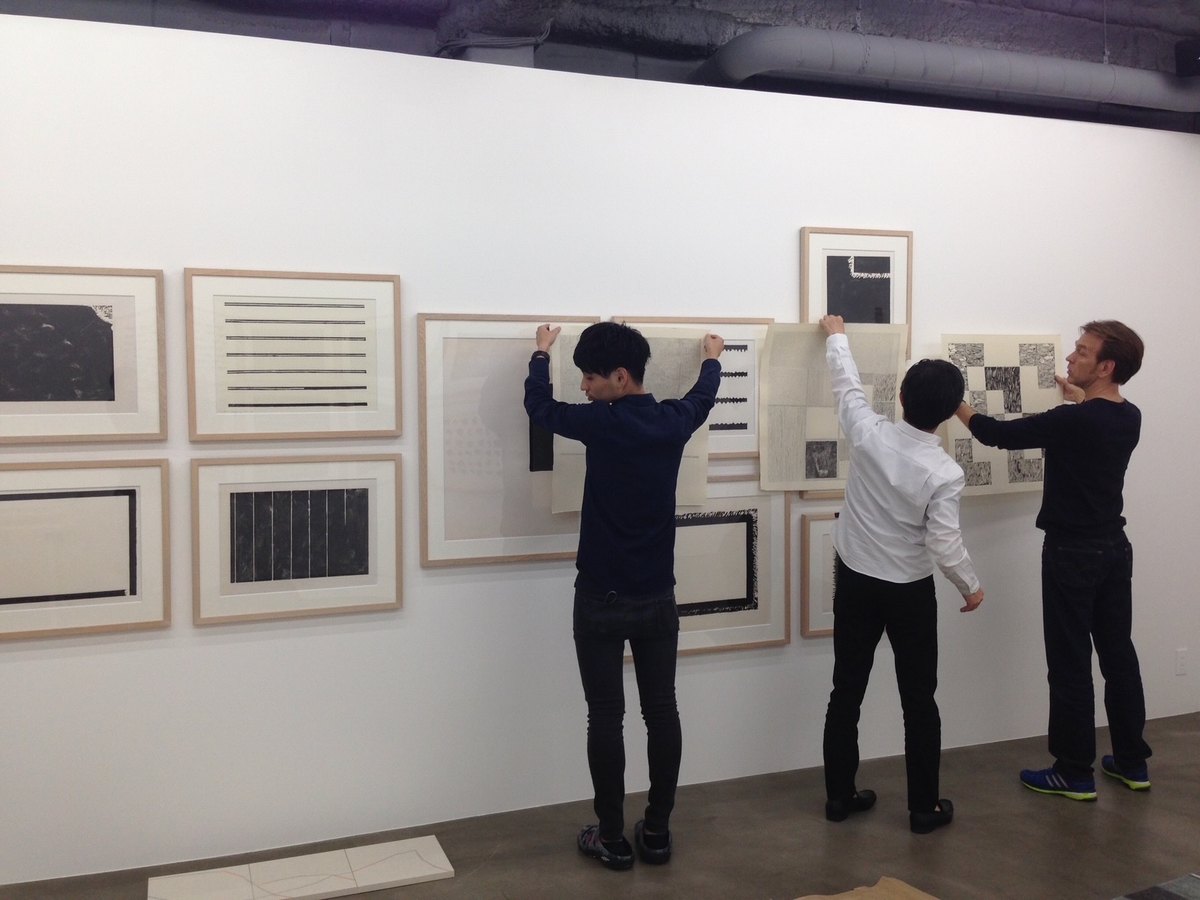
The gallery offered me solo exhibitions and opportunities to participate in art fairs, including ART in PARK HOTEL TOKYO and VOLTA Basel. It also took care of documenting, cataloguing, and labelling my artworks, a time-consuming task that represents a real benefit for an artist. Furthermore, the gallery connected me with collectors and institutions and could introduce my work to other galleries.
Looking back, I believe that a good gallery relationship involves much more than simply providing exhibition space. It is a partnership that can help an artist develop their visibility, build relationships with collectors, and manage the practical aspects of their career. For a young artist, I would therefore recommend being patient, building relationships, and remaining open to the different opportunities that may arise.
Who buys art in Japan, and how does an artist reach these people? Among other things, you have worked on commissions for hotels. How does this work relate to your independent practice?
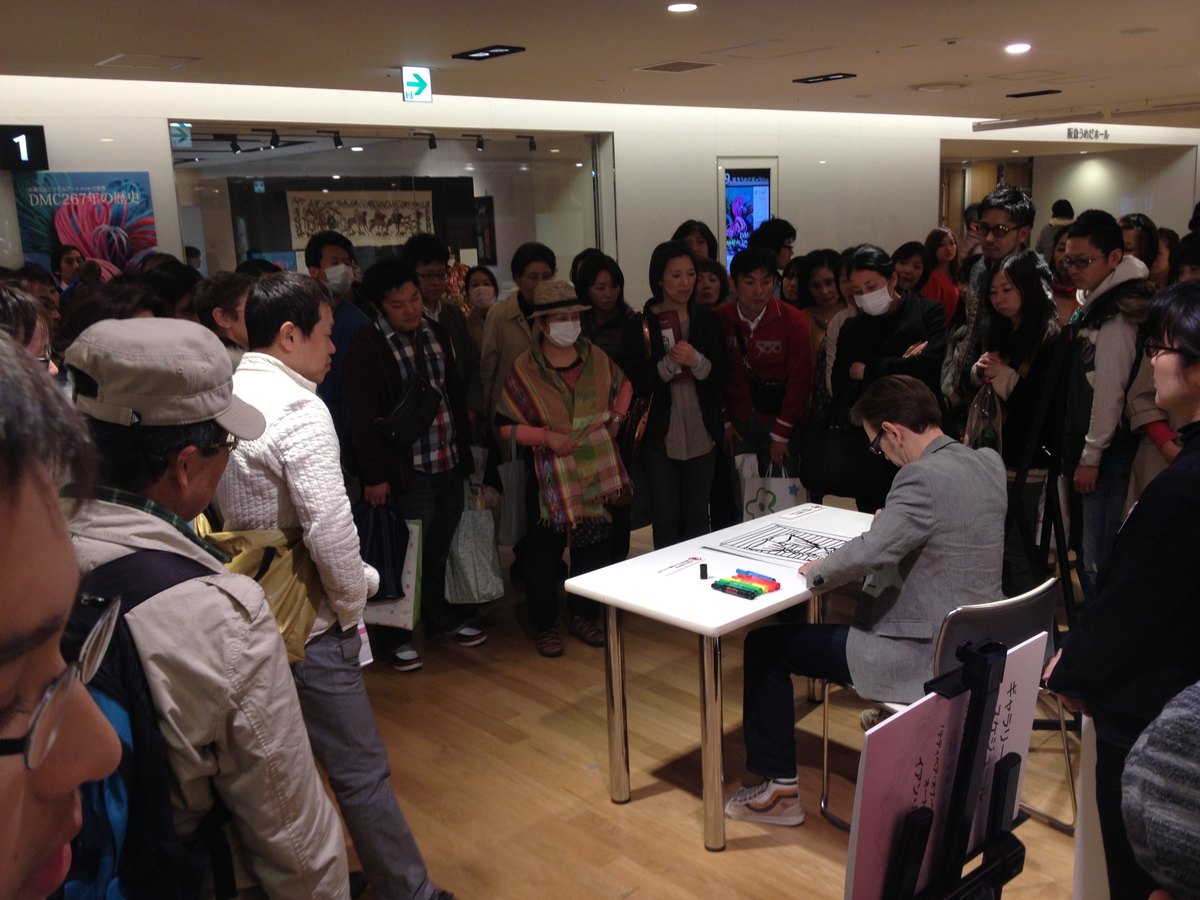
In my early years in Japan, it seemed that everyone was buying art. I don’t mean just collectors. Japanese people have a natural interest in art, and beyond the traditional gallery system, many artists exhibited in cafés and public spaces. Word of mouth was the best form of social networking at the time. There were many different kinds of events where art was present, and purchasing power was also considerably higher than it is today.
I have always been interested in commissioned work, but I see it as entirely separate from my independent artistic practice. One does not interfere with the other.
For me, a commission is a collaboration. I enjoy meeting someone I don’t know who has a specific request and exploring how I can respond to it through my work. These commissions have also allowed me to meet people who later became friends, simply because the artwork I created for them became a way of connecting us. I find this very rewarding.
For me, art is fundamentally about sharing. After spending weeks working alone in the studio, contact with other people is essential. This happens not only through exhibitions, but also through commissions. Each has its own place in my life as an artist.
Historically, commissions have always been an important part of an artist’s practice. From Rembrandt in the seventeenth century to many of the great painters of the eighteenth century, artists created works for individuals, institutions, and patrons. I see commissioned work as a perfectly legitimate part of an artist’s life, without it necessarily interfering with one’s independent practice.
How did 2011 affect you and the art market in Japan?
The events of 2011 brought rapid and profound changes. Many expatriates, including people who had lived in Japan for many years, left the country. Even some of my friends and family thought I should leave. But how could I leave a country that had given me so much? Besides, my family was here now.
The Japanese economy, which was already struggling, was further affected. Several architectural firms I had worked with closed down, as did galleries and art dealers who had supported my work for years.
It was at that point that I was approached to take charge of the art department at Doshisha International School in Kyoto Prefecture. Teaching art had never been part of my plans, but given the circumstances and the opportunity this position offered, I accepted. It introduced me to a world I knew very little about. I learned a great deal and genuinely enjoyed the experience, which lasted six years.
Things gradually improved, but then COVID-19 brought another major disruption to Japan. Since then, the way galleries operate has changed considerably. Many have decided to close their permanent exhibition spaces and focus instead on presenting and promoting artists at art fairs. There are art fairs throughout the year, and a single fair can attract a large audience.
A gallery owner I worked with in Nagoya explained to me that, since COVID, people no longer visit galleries as they used to. Instead, they go to art fairs, where they can visit many galleries in a single day.
The internet and social media have also transformed the way galleries promote artists and conduct their business. The art market in Japan has changed significantly over the years, both in the way people discover art and in the way they buy it.
In 2012, after more than twenty years in Japan, you obtained a degree from the art school in Aix-en-Provence. What led you to do it?
I started my artistic career very early, just after leaving high school. Once again, a chance encounter opened the door to the extraordinary world of puppetry. I think curiosity has always been my driving force, sometimes at the expense of more pragmatic choices.
After ten years working in puppetry, I moved into painting, and things progressed quite quickly. The idea of obtaining a formal art degree had never even crossed my mind.
It was only in 2012, when I was offered a position teaching art, that I decided to obtain my art degree through a process called Validation of Prior Learning, which recognizes professional experience and acquired skills. It allowed me to obtain a degree from the art school in Aix-en-Provence without having studied there.
To be honest, the degree didn’t make much practical difference to my artistic career. It was mainly a way of formally validating my knowledge and experience in the field of art.
How do people in Japan perceive contemporary art, and artists who come from elsewhere?
Perhaps it is much the same as anywhere else in the world. Some people are familiar with contemporary art and feel at home in a world that others may find rather hermetic. Many remain outside it simply because they find it difficult to understand or relate to.
There are, however, aspects of Japanese culture that have a natural affinity with certain approaches in contemporary art. The Momoyama period, around the turn of the seventeenth century, and the early Edo period were times of considerable artistic innovation. Some of the aesthetics that emerged during these periods resonate with ideas explored in contemporary art today.
Minimalism, which can be found in traditional Japanese architecture, Noh theatre, and the tea ceremony, also offers a cultural context in which certain aspects of contemporary art may feel familiar. Impressionism has probably had one of the strongest influences on Japanese audiences, while modern art has also attracted, and continues to attract, many admirers. My impression is that, for a large part of the Japanese public, interest in art tends to stop somewhere around that period, with contemporary art remaining a more specialised field.
When I first started painting, I worked with vivid colours, and Matisse was one of my main influences. Japanese audiences immediately responded to my approach and my use of colour.
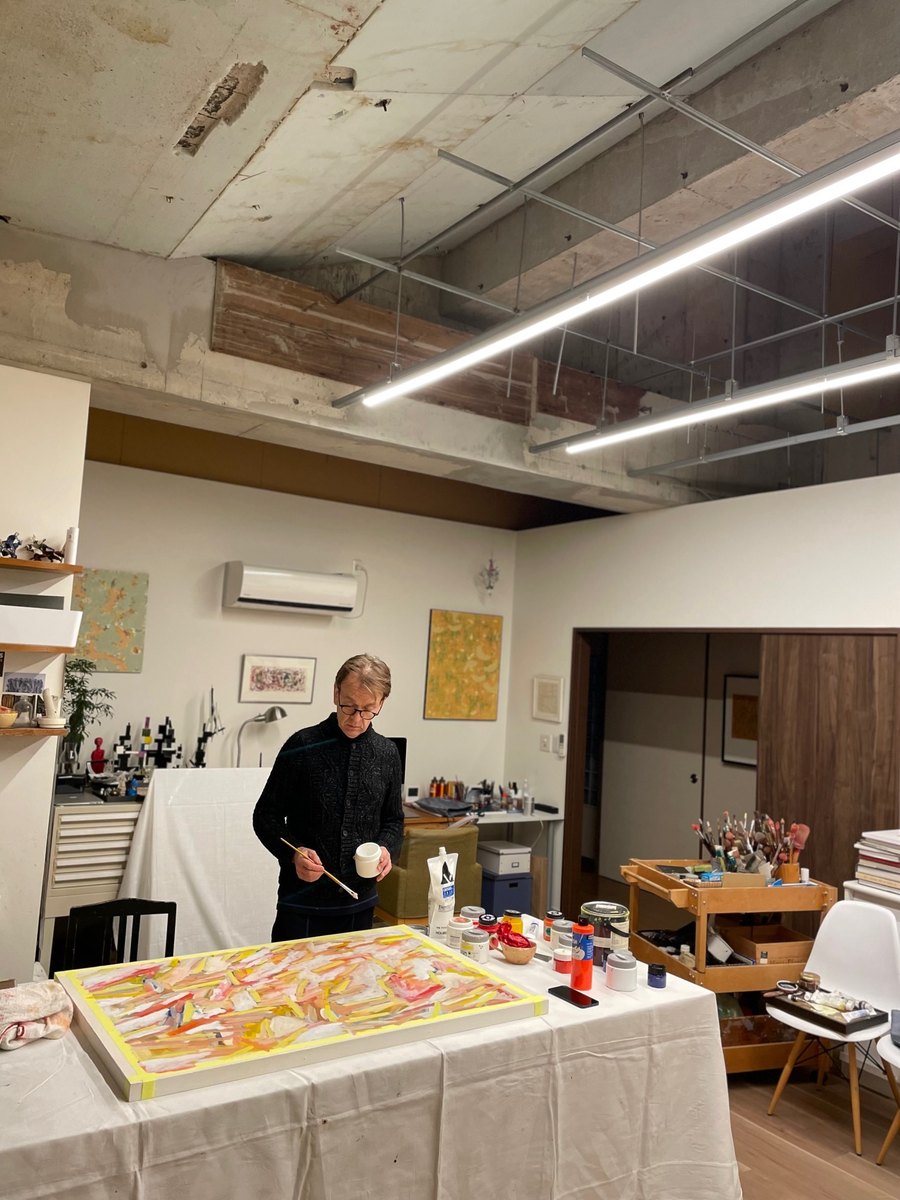
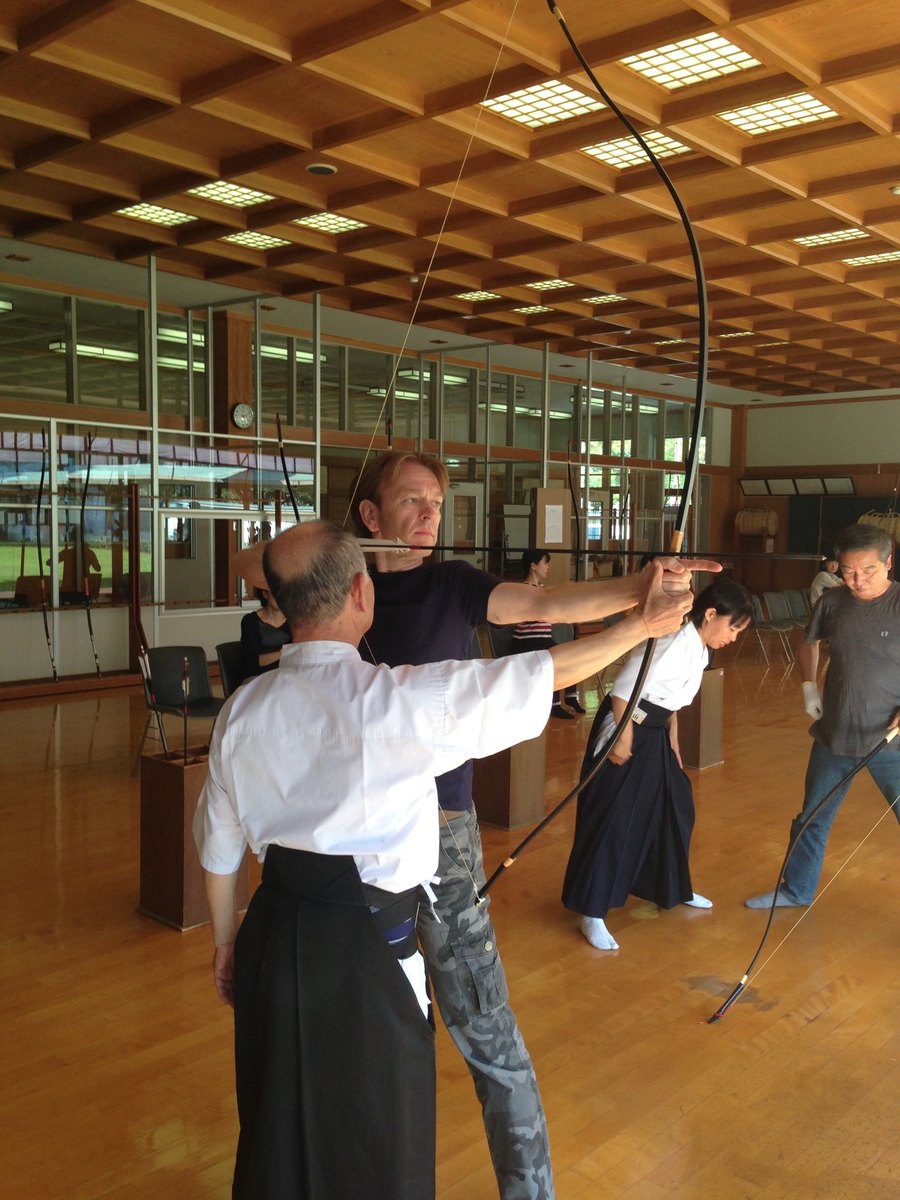
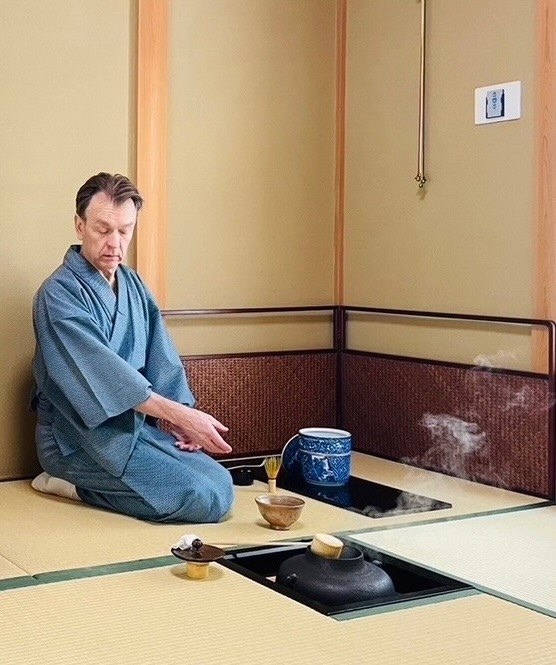
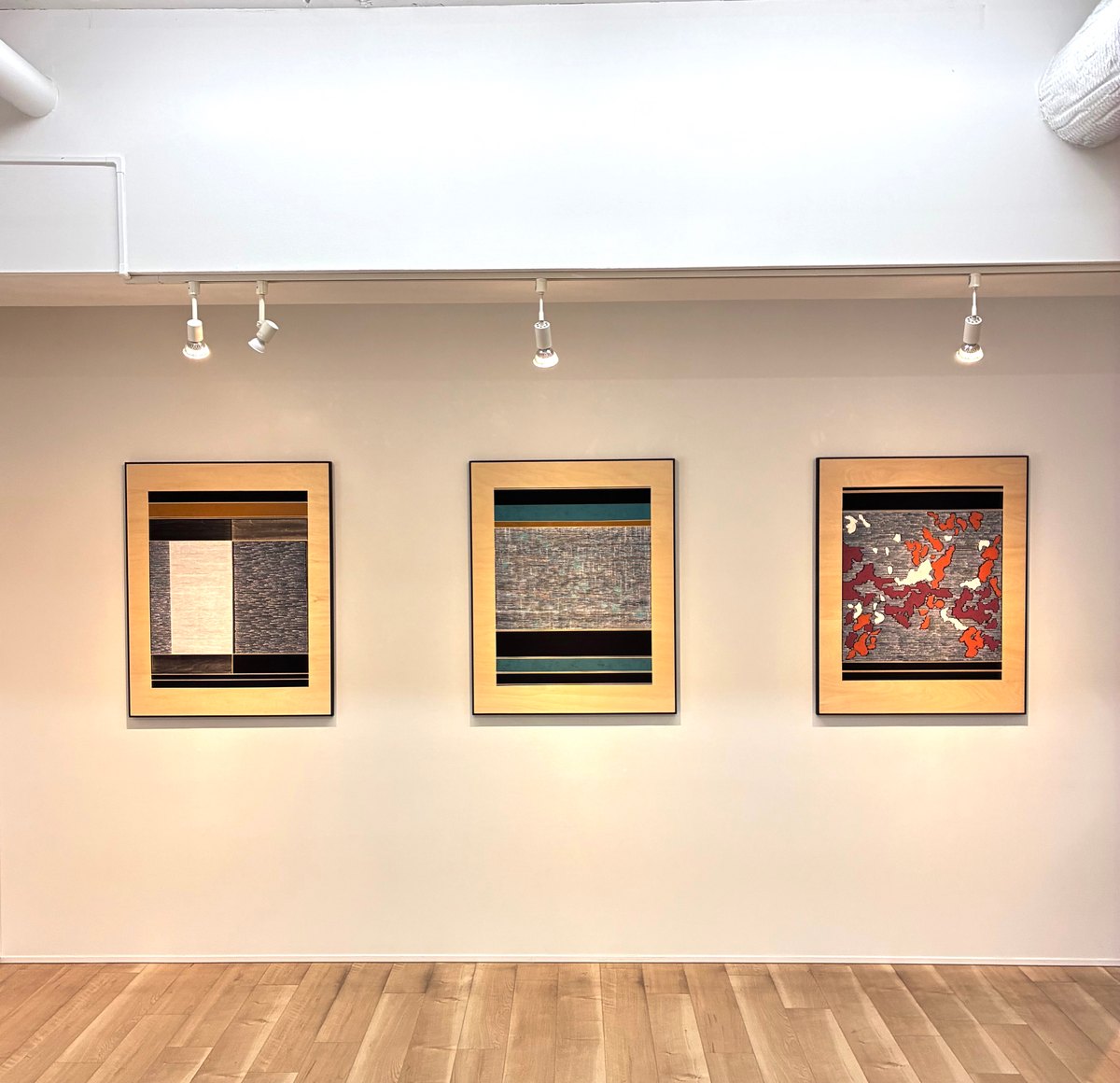
Over the years, however, my palette has gradually become more restrained, and the subjects I explore have moved towards a more minimalist approach. I have been practising the tea ceremony for around twenty years, and I believe that my immersion in this world has contributed to this evolution. With time, I feel I have managed to strip away what might be described as a kind of visual chatter, allowing me to concentrate on what is essential.
As for artists coming from elsewhere, my own experience has been quite positive. I never felt that being French was an obstacle. On the contrary, the encounters I had and the people I met opened doors for me, often in unexpected ways. I have never really tried to establish myself as a foreign artist in Japan. I have simply followed my path as an artist, and I think the work itself has always been more important than where I come from.
You lead art workshops in Japanese schools. What have you seen there, and what might students and teachers elsewhere take from it?
I was first approached by a school principal I had met at an exhibition. He had also seen some of the work I had done with children during my brief time in art education, and he asked if I would be interested in spending a week at his school developing an art project. He was particularly interested in my approach, which was quite different from the methods commonly used in Japanese schools.
My approach is based on what is known as Active Learning, in which each child is encouraged to develop their creativity according to their own abilities. Rather than expecting every student to produce the same result, I create a framework in which they can explore, make their own choices, and find their own way of expressing themselves.
A local newspaper became interested in the project, and its article was widely circulated in the Nara and Kyoto region. As a result, other schools contacted us, and the workshops gradually expanded. In the meantime, I had put together a small team of people who shared my interest in this approach and wanted to work with me. We eventually extended our workshops to Tokyo and published a book on the subject, supported by Doshisha Women’s College of Liberal Arts.
I think one of the most important things teachers can take from this experience is the value of giving children greater freedom to develop their own ideas. The teacher’s role is not simply to transmit techniques or demonstrate how to achieve a particular result, but to create the conditions in which children can experiment, make decisions, and discover their own creative potential. For me, the process is just as important as the final artwork.
Japanese society is often described as hierarchical, orderly and patriarchal. How did you experience it when you arrived, what has changed over the years, and how is this reflected in the art world, for example in the position of women artists?
I think this description is largely accurate. Japanese society is traditionally based on seniority, established hierarchies, and merit within an existing system, rather than on innovation and individual initiative. What made Japan so successful in the decades following the war has, in some respects, become a weakness today.
Personally, I have not really suffered from this system, largely because I have generally worked independently. Even during my relatively brief period as a teacher, I did not experience its contradictions as a major problem.
I must also admit that I have benefited from being a foreigner. This can have both advantages and disadvantages. One of the disadvantages is that you may always be regarded as an outsider, regardless of how long you have lived in Japan or how deeply you are involved in society. For some people, this can be difficult to accept. In my case, I have always been quite comfortable with it.
Regarding the art world, and the position of women artists in particular, I think the situation has evolved in a positive direction. Young women artists are an integral part of the contemporary art scene, and among the younger generation, I see a more open attitude towards differences in gender, age, and nationality. Artists increasingly seem to be judged on their work rather than on who they are. Of course, this does not mean that every form of discrimination has disappeared. But I believe this is a positive development, and probably part of a broader global trend.
However, this openness does not necessarily extend to every institution or gallery. My own experience as a foreign artist has recently reminded me of this. After working with a gallery for several years, I was dropped from its programme. I was never given a clear explanation.
It is unfortunate, because I feel that Japan is becoming somewhat more inward-looking, not only in the art world but also politically, with nationalist and far-right movements gaining visibility. Japan is an island nation with a long history of restricting contact with the outside world. During the Edo period, the country maintained a policy of restricted foreign relations, which ended with the opening of the country in the 1850s and the Meiji Restoration in 1868. I sometimes feel that this historical tendency towards insularity is re-emerging, and I believe this is ultimately detrimental to Japan itself.
At the same time, there are reasons to remain optimistic. I see independent curators actively seeking out foreign artists and exploring new artistic practices. These initiatives are still relatively marginal, but they do exist, and I think they are important. They bring new perspectives into the Japanese art scene and help keep it open to the wider world.
Japan used to have a reputation as an expensive country, yet today it is in many ways cheaper than France. What is everyday life like there for an artist?
I think it is difficult to answer this question in general terms, as circumstances vary considerably. As in many other countries, I believe that many artists, if not most, have a job alongside their artistic practice, particularly if they live in large cities such as Osaka or Tokyo.
Nevertheless, I find life in Japan easier in some respects than in France. Living in the countryside, for example, can be extremely inexpensive. In some places, you can even be offered a house in exchange for contributing to the life of the local community. In cities, part-time jobs are relatively easy to find, and it is possible to eat well without spending a fortune.
In my own case, as I mentioned earlier, I was able to organise my life around my artistic practice while maintaining a parallel professional activity. This allowed me to live relatively comfortably while gradually developing my work as an artist. Eventually, I was able to devote myself entirely to my artistic practice.
Japan used to be known for its very high cost of living, but this was also associated with relatively high incomes and a strong economy. For a long time, family wealth and inheritance also played an important role in people’s standard of living, with some families benefiting from assets accumulated by previous generations. Today, that situation is changing.
Another very recent development is the increasing difficulty of obtaining a visa to live in Japan. This can be a significant obstacle for foreign artists who would like to settle here and develop their practice. Even if the cost of living can be relatively affordable, establishing a life in Japan has become more complicated for those who wish to come from abroad.
Despite its economic difficulties, I don’t think everyday life in Japan is necessarily as difficult as it might appear from the outside. Of course, the situation varies greatly depending on where you live, your income, and your personal circumstances. But I believe it is still possible to build a satisfying life as an artist here, provided you find a way to balance your artistic work with the practical realities of making a living.
You have taken part in a residency in Vermont, and you are planning one of your own. What did it give you, and what kind of residency do you want to create?
I had the opportunity to take part in a residency at the Vermont Studio Center (https://vermontstudiocenter.org) and it was a fantastic experience. The centre offers exceptional working conditions, with accommodation and meals provided, allowing artists to concentrate fully on their work without having to worry about everyday practical matters.
Once a week, a visiting artist comes to the centre, visits the studios, and meets with the residents to discuss their work. Open studios and other activities are also organised throughout the residency. All these opportunities create a stimulating environment for exchange, allowing artists to share their experiences and discuss their techniques and creative processes. For me, this is one of the most valuable aspects of a residency.
I would like to create a similar place in Japan, one that would also give artists the opportunity to discover the country and its culture. My aim would be to provide a pleasant living and working environment where artists could focus on their practice, exchange ideas with other residents, and have the opportunity to exhibit their work at the end of the residency.
The project is still at an early stage. I am currently looking for a suitable location, and once I have found one, I will need to secure the funding to get it started. I believe there are good prospects for making this happen, as I think some local communities would be very interested in hosting a project of this kind.
I don’t have an opening date yet, but 2028 seems like a realistic possibility.
What has worked for you over the years, and what would you do differently today?
Looking back, I have to say that things have worked out remarkably well for me. I don’t want to sound presumptuous, but somehow, things have always happened at the right time.
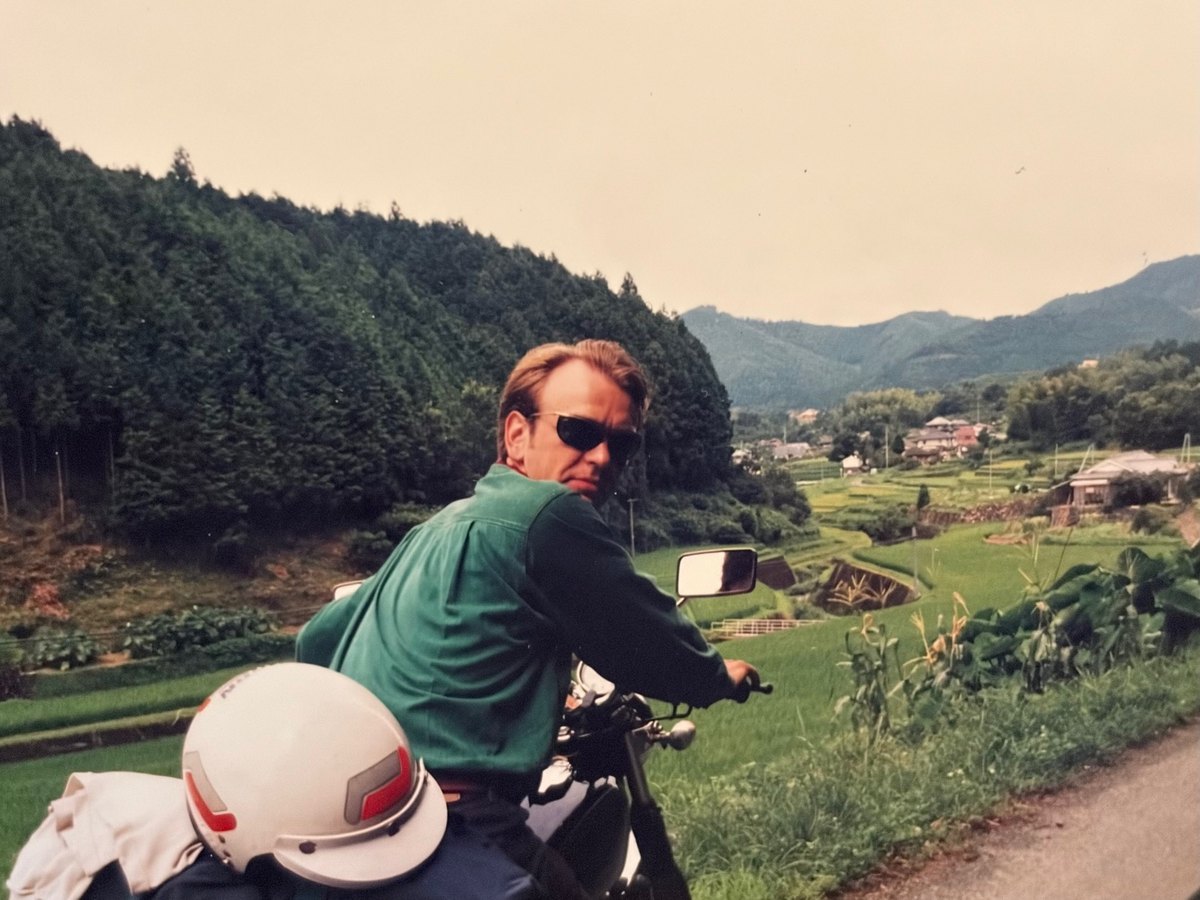
I also think I arrived in Japan at a particularly interesting moment. The economic bubble had just burst, but the country still seemed to retain a certain optimism and positive energy. There was a sense of possibility, and I feel fortunate to have experienced Japan during that period.
Throughout my career, the right people, the right opportunities, and unexpected encounters have all played their part. I have never followed a carefully planned career path. I have simply remained curious, followed my interests, and tried to make the most of the opportunities that came my way.
As for what I would do differently today, honestly, I don’t think I would change anything. Of course, there have been difficulties along the way, but they have also been part of the journey. Looking back, I feel fortunate about the path I have taken, and I wouldn’t want to rewrite it.
What would you advise a recent art school graduate who is thinking about Japan?
First of all, I would advise them to come to Japan without preconceived ideas and to let their instincts guide them. Be curious, meet as many people as possible, and remain open to unexpected encounters.
Ideally, I would recommend having a contact in Japan before arriving, preferably someone from your own country who already lives there and knows the country well. Such a person can help you find your bearings, introduce you to people, and guide you through the first steps of settling in.
Language is also an important consideration. Without speaking Japanese, everyday life and building relationships can be challenging, although English has become much more widely spoken than it was when I first arrived.
When I first came to Japan, I knew only one Japanese person, whom I had met in France. He introduced me to a friend of his, and from there, I found my own way.
Japan was very different back then. There were no social networks, and foreign visitors were still relatively rare. It was easy to meet people. I hardly ever ate a meal alone because someone would almost always strike up a conversation with me. We would start talking, even though I didn’t speak Japanese. These encounters opened doors and made my experience of Japan very rich.
Today, I feel that people tend to remain more within their own bubbles, which makes it all the more important to establish some contacts before arriving.
For a young artist, I would particularly recommend visiting galleries, meeting artists, attending exhibitions, and building relationships within the local art scene. These encounters are essential, not only for developing professional opportunities but also for understanding the cultural environment in which you hope to work.
Another possibility worth considering is the Cultural Activities visa. For artists who wish to stay in Japan for more than three months to study a particular art or technique, this may be an interesting option. It can allow people to study traditional Japanese arts under the guidance of a specialist, for example ceramics or calligraphy. For a young artist, this can be a valuable way to spend an extended period in Japan, develop new skills, and discover the country’s culture from within. The conditions and permitted duration depend on the individual project and the immigration requirements.
Finally, I would say that Japan operates on a different sense of time. Relationships take time to develop, and opportunities may take a long time to materialise. So don’t arrive expecting immediate results. Be patient, stay curious, and take things as they come. Rather than trying to force things to happen, allow yourself to be guided by the experience itself.
Looking back at my own journey, I think this is probably the most important advice I can give.
Thank you for the interview!